
A garden curler seems to be easy, a weighted drum towed or driven around the flooring, however the usage of it on the flawed time does extra hurt than excellent. Here’s what it if truth be told does, when it is helping, and when rolling a garden simply compacts soil that didn’t want compacting.
QUICK ANSWER
A garden curler presses down unfastened or asymmetric soil to give a boost to seed-to-soil touch after seeding, assist sod knit to the bottom after set up, and clean out minor bumps left through frost heave or moles. It is a completing step, now not a grading instrument, and works absolute best on soil that is already been leveled.
Seed-to-soil touch after overseeding
Grass seed that sits loosely on most sensible of soil, moderately than making agency touch with it, dries out quicker within the solar and wind and germinates much less reliably consequently. Rolling calmly after overseeding presses seed into the highest layer of soil, making improvements to the chances of even germination throughout a patched or newly seeded space.
Serving to new sod knit down frivolously
Recent sod infrequently lies completely flat towards the bottom underneath it, small air wallet and asymmetric touch are commonplace proper after set up. A curler presses the sod down into agency touch with the soil, which accelerates root status quo and is helping save you the perimeters of sod items from drying out and death again earlier than they knit in combination.
Smoothing frost heave and minor floor bumps
Freeze-thaw cycles over iciness can depart a garden with small bumps and asymmetric top spots as soon as the bottom thaws in spring, and burrowing animals depart their very own model of the similar drawback. A curler, run as soon as the soil has dried out sufficient not to compact excessively, knocks those minor irregularities backtrack with out the extra invasive step of regrading.
When rolling is helping vs. when it simply compacts soil too onerous
That is the honor that journeys up numerous rolling jobs. Rolling rainy soil compacts it excess of rolling the similar soil as soon as it has dried to an affordable moisture stage, and over-compacted soil restricts root enlargement and drainage, running towards the precise status quo a curler is supposed to assist. More often than not, if soil sticks to a boot heel or paperwork a ball when squeezed, it’s too rainy to roll.
Rolling may be now not an alternative to grading. A garden with actual drainage issues or vital low spots wishes precise regrading, now not a curler go that simply presses the prevailing unevenness in position.
Timing: after seeding or sod, now not on dry compacted flooring
The most productive timing for rolling is correct after seeding, proper after laying sod, or as soon as in early spring after frost heave to settle the bottom earlier than mowing season, now not as a regimen upkeep go on a longtime, already-firm garden. Rolling flooring that doesn’t want it accomplishes not anything past useless compaction.
Weight and what number of passes if truth be told is helping
Maximum garden rollers are water or sand fillable, letting the operator modify weight for the activity to hand. A lighter fill works for seed touch on an already-prepared mattress, whilst a heavier fill is helping settle sod or knock down extra cussed frost heave. Beginning lighter and including weight provided that the primary go didn’t succeed in the supposed end result avoids over-compacting at the first try.
One or two passes in one course is most often sufficient for seed or sod paintings. Rolling time and again in a couple of instructions compacts excess of a unmarried go and is never important out of doors of settling strangely unfastened, freshly tilled soil.
Garden rolling myths value retiring
Rolling a garden each and every spring as regimen upkeep is a not unusual observe that soil science normally does now not strengthen for an already-established, wholesome garden. Until there’s a particular drawback to resolve, frost heave, new seed, new sod, an annual rolling dependancy most commonly simply provides useless compaction through the years, which will steadily paintings towards the drainage and root enlargement a wholesome garden relies on.
Garden rollers vs. different leveling choices
A garden curler isn’t the one instrument for a bumpy garden, and it isn’t all the time the precise one. For minor floor irregularities, a mild topdressing of soil raked into low spots frequently corrects the issue with none compaction chance in any respect. For extra vital grade problems, precise regrading with a field blade or grader attachment addresses the underlying form of the bottom moderately than simply urgent the outside flatter.
A curler earns its position in particular for the seed and sod status quo jobs it does nicely, and for minor frost heave that doesn’t justify a complete regrade. Attaining for it as a general-purpose garden leveling instrument for issues it was once now not constructed to resolve ends up in the over-compaction factor described above.
Matching curler dimension to the activity
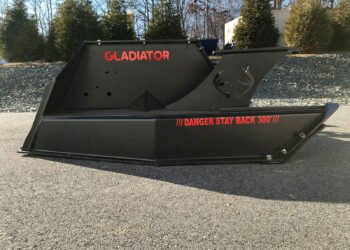
A push or tow-behind curler sized for a residential garden is a special instrument than a skid steer-mounted curler attachment constructed for greater industrial turf spaces, sports activities fields, parks, or large-scale sod set up jobs the place hand-pushing a curler throughout the entire space isn’t sensible. The bigger attachment covers flooring some distance quicker, at the price of wanting a system to run it moderately than simply muscle energy.
A handy guide a rough before-and-after test value doing
Prior to rolling, take a psychological be aware, or a snappy picture, of the spaces that involved you maximum, the bumpiest patches, the spots the place sod edges seemed lifted, the worst frost heave. After rolling and letting the world accept a couple of days, test those self same spots once more. If the issue has now not visibly stepped forward, extra rolling passes are not going to assist; the problem is most definitely a grading drawback that wishes a special repair, now not extra compaction.
See Sod Curler Attachments
Continuously Requested Questions
What’s a garden curler used for?
Making improvements to seed-to-soil touch after seeding, serving to new sod knit down frivolously, and smoothing minor floor bumps from frost heave or burrowing animals like moles and voles.
When must you roll your garden?
Proper after seeding or laying sod, or as soon as in early spring to settle frost heave, when soil moisture is average moderately than rainy. Keep away from rolling as regimen upkeep on an already-firm garden.
Are you able to roll a garden this is too rainy?
No. Rolling rainy soil compacts it excessively, limiting root enlargement and drainage. If soil sticks to a boot heel or balls up when squeezed, look ahead to it to dry out earlier than rolling.
Will have to you roll your garden each and every spring?
Now not as regimen upkeep on an already-healthy garden. Rolling yearly and not using a particular drawback to resolve most commonly provides useless soil compaction through the years, which fits towards the wholesome drainage and root enlargement a longtime, well-maintained garden if truth be told relies on.