
A gravel driveway that ruts, washes out, and wishes regrading annually virtually at all times skipped a step all the way through development, in most cases the bottom layer or the compaction, no longer the gravel itself. Here’s the layering and grading that in fact holds as much as years of auto visitors and climate.
QUICK ANSWER
A sturdy gravel driveway begins with a compacted subgrade, a 4 to 6-inch base layer of angular overwhelmed stone, then a 2 to 3-inch most sensible layer of smaller, rounded gravel, with each and every layer compacted and topped quite for drainage. Skipping the bottom layer or compaction is the commonest reason why a driveway ruts and washes out inside of a yr.
Subgrade prep, and why compaction issues greater than gravel intensity
The whole lot above the subgrade best plays in addition to the subgrade underneath it. Transparent natural subject matter, topsoil, roots, and particles, since anything else that decomposes beneath a driveway ultimately leaves a void that turns into a low spot. Compacting the uncovered subgrade earlier than any gravel is going down offers the entire construction one thing cast to take a seat on.
A driveway with a variety of gravel over a poorly compacted subgrade fails quicker than one with quite much less gravel over a correctly compacted base. Intensity isn’t an alternative to compaction at any layer.
Base layer vs. most sensible layer, and selecting the proper stone for each and every
- Base layer, 4 to six inches: angular overwhelmed stone, frequently 3/4 inch to one.5 inch, which locks in combination underneath load a long way higher than rounded stone.
- Most sensible layer, 2 to three inches: smaller, frequently rounded gravel, selected for a smoother completed floor to force and stroll on.
- Keep away from: the usage of best rounded pea gravel right through, because it by no means locks in combination and easily shifts underneath tire weight.
Angular stone interlocks because it compacts, forming a strong structural layer, whilst rounded stone remains free regardless of how a lot it’s compacted. That distinction is why the bottom and most sensible layers normally use other stone even at the similar driveway.
Crowning and drainage to stop rutting
A flat driveway holds water, and status water softens the bottom beneath it, precisely the place the following car that drives over it’s going to get started a rut that best will get deeper with each and every further rain. A steady crown, upper within the heart than on the edges, sheds water to the perimeters as a substitute of letting it pool and soak in.
On a sloped driveway, cross-drainage, shallow ditches or culverts that redirect water off to the aspect at durations, issues up to the crown itself. Water operating the total duration of a sloped driveway erodes the skin irrespective of how effectively it used to be constructed.
The place a field blade or land airplane replaces hours of hand raking
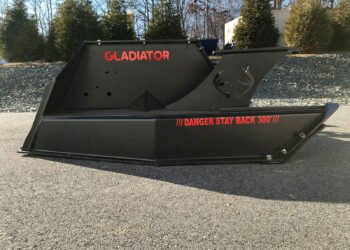
Spreading and grading gravel by way of hand throughout any actual duration of driveway is gradual, bodily paintings, and it’s tough to carry a constant crown by way of eye with a rake. A field blade cuts and redistributes subject matter to construct the crown exactly, whilst a land airplane or grader attachment finishes the skin as soon as the form is kind of proper.
Repairs regrading, and the way frequently
Even a well-built gravel driveway wishes periodic upkeep. Site visitors step by step pushes gravel towards the perimeters and packs down the wheel tracks, so a mild regrading go a couple of times a yr, extra frequently on driveways with heavy use, helps to keep the crown and floor in excellent form earlier than ruts have a possibility to increase.
Not unusual errors that shorten a driveway’s lifestyles
Skipping the bottom layer totally and going directly to a most sensible layer of ornamental gravel is likely one of the maximum commonplace shortcuts, and probably the most dear to mend later, because it way tearing up the skin layer so as to add the structural base that are meant to have long gone down first. It’s a long way inexpensive to construct it proper the primary time than to rebuild it a yr in.
The use of the mistaken stone dimension is some other widespread factor. Pea gravel and different small, rounded stone glance sexy however by no means lock in combination the way in which angular overwhelmed stone does, which means that a driveway constructed totally from it’s going to at all times really feel free and can at all times want extra widespread regrading than one constructed with a right kind angular base.
Ignoring drainage all the way through development, quite than after issues seem, is the 3rd commonplace mistake. Including drainage after a driveway is already constructed and already rutting is way more disruptive than making plans for it, culverts, cross-drains, or just the crown itself, from the beginning.
How a lot gravel a normal driveway in fact wishes
General yardage depends upon duration, width, and the intensity of each layers, however a coarse shortcut is helping with early making plans: multiply duration by way of width to get sq. photos, then use kind of 0.6 to 0.7 cubic yards in keeping with 100 sq. ft for a blended base and most sensible layer at conventional depths. A 12-foot vast, 100-foot lengthy driveway, 1,200 sq. ft, works out to someplace round 8 to ten cubic yards overall between each layers.
Ordering quite greater than the calculated quantity is price doing on any driveway task. Asymmetric subgrade, low spots that want further fill, and easy spillage all the way through spreading all consume into the calculated overall quicker than maximum first-time estimates be expecting.
Edge restraints and long-term steadiness
Gravel that has nowhere to move remains put a long way longer than gravel loose emigrate outward underneath tire drive. Edge restraints, whether or not a easy excavated edge, buried panorama edging, or a extra considerable curb, stay the bottom and most sensible layers from slowly spreading into the encircling garden or landscaping over months of use, which is likely one of the quieter causes a driveway turns out to wish extra gravel annually even with out visual ruts.
On a driveway with none edge restraint in any respect, subject matter loss to the perimeters can account for a significant proportion of the gravel that turns out to easily vanish over a season or two, lengthy earlier than ruts or potholes turn into the extra obtrusive visual downside.
Seasonal timing for construction or rebuilding
Construction a gravel driveway all the way through a dry stretch makes compaction more straightforward and more practical, because the subgrade and base layers compact very best at a reasonable moisture stage quite than saturated or bone dry. In areas with an actual frost season, finishing primary grading paintings earlier than the bottom freezes avoids operating frozen, asymmetric subgrade that won’t compact correctly regardless of how a lot effort is going into it.
For an current driveway due for a larger regrade quite than regimen upkeep, timing it for a dry stretch in spring or fall, after frost heave has settled however earlier than heavy summer season or wintry weather use, has a tendency to supply probably the most sturdy consequence.
Widening or extending an current driveway
Tying a brand new phase into an current driveway takes extra care than construction on open floor, because the new base wishes to compare the compaction and intensity of the present phase intently sufficient that the 2 don’t settle at other charges over the years, which another way presentations up as a visual seam or dip proper on the joint.
Feathering the brand new base layer into the previous one step by step, quite than butting a full-depth new phase immediately in opposition to the present edge, typically produces a smoother, longer lasting transition between previous and new subject matter.
When to name in apparatus vs. doing it by way of hand
A brief driveway, underneath about 50 ft, with fairly excellent current grade, is inside of succeed in of hand equipment and a rented plate compactor for any individual prepared to position in a complete weekend of bodily paintings. Anything else longer, anything else wanting actual grading or crown paintings quite than simply spreading subject matter flat, or any driveway with drainage issues to right kind, is the place a skid steer with the precise attachments turns a multi-weekend mission right into a unmarried afternoon.
A easy tick list earlier than calling the task completed
- Crown: does water visibly run off to the perimeters quite than pooling any place alongside the skin?
- Compaction: does the skin really feel company underfoot quite than moving loosely?
- Edges: is there one thing preserving gravel in position on the aspects, or is it loose to unfold?
- Drainage: on a sloped driveway, is there someplace for water to go out earlier than it runs the total duration?
Strolling the completed driveway after the primary actual rain is probably the most truthful take a look at of all. Status water, visual rutting, or gravel migration at that time presentations precisely the place the construct wishes some other glance earlier than the issue will get worse with repeated freeze-thaw cycles or endured heavy use.
A word on driveway width and turning spaces
A driveway constructed to precisely the width of a unmarried car leaves no margin for error and wears inconsistently alongside the similar slender wheel tracks each time. Construction a couple of further ft of width, and a much wider turnaround or parking house the place automobiles steadily prevent and pivot, spreads put on throughout a bigger floor and meaningfully extends how lengthy the gravel lasts earlier than it wishes an actual regrade, particularly on the front the place maximum turning and repeated back-and-forth maneuvering has a tendency to occur over the lifetime of the driveway.
See Field Blade and Land Aircraft Attachments
Incessantly Requested Questions
What’s the very best base for a gravel driveway?
A 4 to six inch layer of angular overwhelmed stone, frequently 3/4 to one.5 inch, compacted effectively. Angular stone locks in combination underneath load, in contrast to rounded gravel, which remains free regardless of how a lot it’s compacted.
How a lot crown does a gravel driveway want?
A steady slope from heart to edges is sufficient to shed water with out being noticeable to force on. The precise quantity depends upon driveway width, however even a slight crown prevents status water.
How frequently does a gravel driveway wish to be regraded?
A few times a yr for conventional residential use, extra frequently for driveways with heavy visitors. Common mild upkeep prevents the deeper ruts that require a complete rebuild.
How a lot gravel do I would like for a driveway?
As a coarse estimate, plan on 0.6 to 0.7 cubic yards in keeping with 100 sq. ft for a blended base and most sensible layer. A 12 by way of 100 foot driveway normally wishes round 8 to ten cubic yards overall.