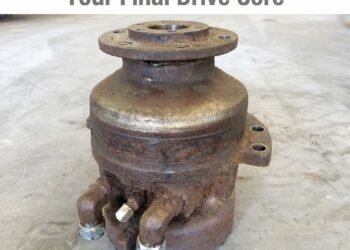

It won’t transfer, however it’s one of the necessary portions of the excavator design for protection and function.
Every of those excavator elements performs a selected position, however it’s how they paintings in combination that makes the gadget so efficient. Within the subsequent phase, we’ll spoil down how those portions coordinate all through actual jobsite duties and what that suggests on your daily paintings.

How Excavator Elements Paintings In combination at the Process
An excavator isn’t only a selection of person portions, it’s a coordinated gadget the place each motion is dependent upon more than one excavator elements operating in combination on the identical time. When the entirety is functioning correctly, the gadget feels easy, responsive, and actual. When one thing is off, you’ll realize it in an instant in the way it strikes and plays.
On the middle of all of it is the hydraulic gadget. It sends pressurized fluid to other portions of the gadget, permitting the increase, stick, and bucket to transport in a managed series. As a substitute of running independently, those portions of an excavator are continuously operating in sync to finish every job successfully.
To peer how this coordination performs out, let’s spoil down a standard trenching cycle:
1. Positioning the Device
The operator makes use of the controls within the cab to align the gadget. The undercarriage supplies a solid base, particularly on asymmetric flooring.
2. Decreasing the Increase
The increase is decreased towards the bottom the use of hydraulic energy, putting in place the digging place.
3. Extending the Stick (Arm)
The stick strikes outward to achieve the required digging house, controlling how some distance from the gadget the lower shall be made.
4. Attractive the Bucket
The bucket is curled into the soil, the use of hydraulic power to wreck via and scoop subject matter.
5. Lifting and Retracting
The increase raises whilst the stick retracts, pulling the loaded bucket again towards the gadget.
6. Swinging and Dumping
The higher construction rotates and the bucket uncurls to unencumber the fabric in a delegated spot.
Every step is dependent upon more than one portions operating in combination, now not only one element at a time. If the hydraulics are susceptible, the bucket received’t dig successfully. If the stick has play or put on, precision drops. If the undercarriage isn’t solid, all the operation turns into much less secure.
In a position to Do Extra With Your Excavator?
When you understand how key excavator elements serve as and have interaction, you’ll perform with extra precision, catch problems ahead of they transform pricey upkeep, and make smarter selections about repairs and upgrades.
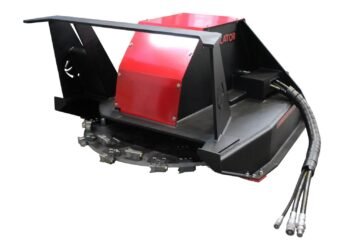
If you might be having a look to get extra productiveness from your apparatus, the correct attachment could make the entire distinction. From buckets and augers to trenchers and grapples, selecting the proper device is helping you’re taking on extra jobs without having further machines.
Regularly Requested Questions About Excavator Portions
What are the maximum regularly changed excavator portions?
Probably the most maximum ceaselessly changed excavator portions are put on elements like bucket enamel, slicing edges, pins, bushings, and hydraulic hoses. Those portions take probably the most abuse all through day by day operation, particularly in tricky soil or demolition paintings, so common inspection and alternative are key to maintaining your gadget working successfully.
How can I inform if an excavator section is beginning to fail?
Early indicators of damage steadily display up in efficiency. Slower motion, diminished digging energy, strange noises, or visual leaks can all point out a subject matter. As an example, worn pins might motive over the top play within the arm, whilst hydraulic leaks can cut back lifting power. Understanding those caution indicators is helping you deal with issues ahead of they have an effect on productiveness.
Are all portions for excavator machines common?
No, maximum portions for excavator machines are explicit to the make, style, and dimension of the apparatus. Whilst some attachments or put on portions can have standardized sizing, vital elements like hydraulic programs, cylinders, and undercarriage portions are usually designed for explicit machines.
What’s the variation between heavy-duty and usual excavator portions?
Heavy-duty excavators portions are constructed with thicker fabrics and strengthened designs to take care of extra challenging prerequisites like rocky soil or demolition paintings. Same old portions are higher fitted to lighter packages like normal digging or landscaping. Selecting the proper kind is dependent upon the type of paintings you’re doing.
Why do excavator portions put on out quicker in sure prerequisites?
Operating prerequisites play an enormous position in how temporarily the portions put on down. Abrasive fabrics like sand, gravel, and rock can accelerate put on on buckets and undercarriage elements. Rainy or muddy environments too can build up pressure on shifting portions, making common repairs much more necessary.
Do other excavator section names range by means of emblem or area?
Sure, some excavator section names can range relatively relying at the producer or location. As an example, the “stick” is once in a while known as the “arm.” Whilst the terminology might exchange, the serve as of the element stays the similar, so it’s useful to be aware of more than one phrases when operating with other machines or providers.