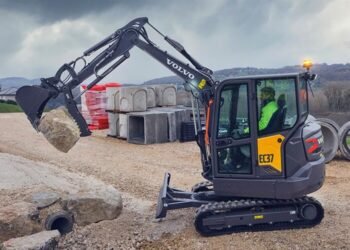
A Mini Excavator isn’t outlined most effective by way of engine energy or arm construction.
In actual box operation, productiveness is most commonly made up our minds by way of attachments.
One system can carry out digging, drilling, breaking, grading, and lifting. However most effective when the equipment are appropriately matched.
Easy engineering fact:
“Maximum productiveness loss in mini excavators comes now not from system energy, however from mismatched or volatile attachments.”
This implies equipment aren’t non-compulsory equipment. They’re a part of the operating device.
Mini excavator equipment rely on 3 technical programs:
1. Hydraulic Device Compatibility
Attachments devour hydraulic drift and drive.
Too low drift → susceptible efficiency
Too top drive → overheating or seal injury
Risky drift → inconsistent operation
2. Mechanical Interface (Coupler / Pins)
Connection sort determines:
interchange velocity
protection stage
vibration resistance
3. Keep an eye on Device (Electric or Pilot)
Trendy attachments might come with:
proportional keep watch over
solenoid valves
electrical switching
If those programs don’t fit, efficiency turns into volatile.
Beneath is a realistic breakdown utilized by contractors, condo fleets, and operators.
3.1 Buckets (Maximum Essential Base Device)
Buckets come to a decision 60–70% of day by day paintings potency.
Not unusual sorts:
Digging bucket (common soil)
Slim trenching bucket
Grading bucket (flat floor completing)
Heavy-duty rock bucket
Variety good judgment:
Cushy soil → same old bucket
Clay soil → bolstered edge bucket
Rock combined soil → wear-resistant bucket
Engineering observe: Bucket failure is generally now not structural—it’s put on imbalance on innovative.
3.2 Hydraulic Breaker (Demolition Device)
Used for:
concrete demolition
rock breaking
street restore
Key dependency:
Hydraulic drift steadiness
If drift is volatile:
device turns into “punchy however susceptible”
seals put on quicker
vibration transfers to growth
3.3 Auger (Drilling Device)
Utilized in:
fence set up
tree planting
basis holes
Important parameter:
Torque vs soil resistance
Cushy soil calls for low torque, top velocity. Onerous soil calls for top torque, decrease velocity.
Mismatch results in:
motor overheating
auger stall
coupling injury
3.4 Fast Coupler Device
That is the “potency multiplier”.
Two sorts:
Guide coupler
Hydraulic fast coupler
Why it issues:
With out coupler, attachment exchange = 10–20 mins With coupler = 30 seconds
However possibility exists:
pin put on
locking failure
hydraulic leakage
3.5 Ripper / Scarifier
Used for:
frozen soil
compacted floor
asphalt cracking
It does now not minimize. It fractures subject material the usage of leverage.
3.6 Grapple / Thumb Attachment
Used for:
waste dealing with
logs
demolition particles
Key factor: Grip drive relies on hydraulic consistency, now not jaw dimension.
A right kind variety is at all times in accordance with workload sort, now not value.
Step 1: Establish Subject material Sort
soil
combined gravel
rock
concrete
Step 2: Establish Paintings Cycle
steady digging
intermittent breaking
precision grading
Step 3: Fit Hydraulic Call for
low drift equipment → buckets
medium drift → auger
top affect → breaker
Variety Common sense Abstract
“Attachment variety isn’t about what the system can raise, however what the hydraulic device can maintain often.”
Mistake 1: Over-sizing attachments
Many patrons select greater breakers or augers.
Consequence:
overheating
lowered lifespan
volatile efficiency
Mistake 2: Ignoring hydraulic compatibility
Now not all mini excavators have identical drift charges.
This results in:
susceptible output
over the top vibration
seal injury
Mistake 3: Blending manufacturers with out checking coupler requirements
Other pin sizes = mismatch possibility.
Mistake 4: Ignoring delivery injury possibility
Attachments regularly fail now not in operation—however right through transport:
bent rods
cracked welds
hydraulic leakage
Mistake 5: Anticipating one attachment for all jobs
No unmarried attachment plays all duties successfully.
From a producing viewpoint, attachments are regularly extra complicated than the bottom system in high quality variation.
Actual manufacturing facility constraints:
1. Batch steadiness
Even identical type might range in:
welding precision
seal high quality
hydraulic valve consistency
2. Hydraulic part sourcing
Other providers = other sturdiness ranges
3. Electric device variations
Solenoid valves and controllers regularly range by way of batch
4. High quality keep watch over limitation
Factories take a look at samples, now not each unit in excessive stipulations
Key fact:
“Attachment reliability is much less about design and extra about consistency between batches.”
That is the place long-term providers subject greater than one-time purchases.
Reasonable choice
low in advance value
upper failure possibility
inconsistent hydraulic habits
Strong choice
managed part sourcing
higher sealing device
predictable upkeep cycle
Apartment fleet choice
top sturdiness design
simple restore construction
rapid coupling device
Choice good judgment:
Non-public use → value delicate
Contractor → steadiness precedence
Apartment corporate → lifecycle value precedence
Invisible reliability way what you can not see right through acquire:
1. Seal lifestyles consistency
Will it leak after 200 hours or 800 hours?
2. Hydraulic reaction steadiness
Does efficiency exchange through the years?
3. Restore accessibility
Can native technicians repair it simply?
4. Portions availability
Are alternative seals and pins simple to supply?
5. Electric steadiness
Do solenoids fail beneath vibration?
Engineering conclusion:
“The actual value of an attachment isn’t acquire value, however downtime value.”
That is why some providers like Nicosail focal point on long-term part consistency quite than non permanent value relief.
Hydraulic device upkeep
take a look at oil contamination steadily
steer clear of overheating cycles
exchange seals sooner than failure
Mechanical put on tracking
bucket edge thickness
pin clearance
coupler locking put on
Garage regulations
steer clear of outside rust publicity
unencumber hydraulic drive when idle
give protection to coupling joints
Q1: Can one mini excavator use all attachments?
Sure, however provided that hydraulic drift and coupler device have compatibility. Differently efficiency drops.
Q2: Why does hydraulic breaker efficiency vary on identical system?
As a result of drift steadiness, hose situation, and valve tuning impact output greater than engine energy.
Q3: What’s crucial attachment for learners?
Usual digging bucket. It defines baseline productiveness and finding out curve.
This autumn: How do I steer clear of purchasing incompatible attachments?
Take a look at 3 issues:
hydraulic drift vary
pin dimension same old
fast coupler sort
Q5: Do affordable attachments at all times fail quicker?
Now not at all times, however they generally display upper variability between batches, which will increase upkeep uncertainty.
Q6: What’s the largest hidden possibility in attachments?
Delivery injury and inside hydraulic inconsistency that’s not visual at supply time.
Mini excavator equipment aren’t separate equipment—they’re extensions of hydraulic good judgment, mechanical construction, and operational steadiness.
If we simplify engineering good judgment:
Device = energy supply
Attachments = paintings execution device
Hydraulic steadiness = efficiency ceiling
A well-matched device reduces downtime, improves gasoline potency, and extends system lifecycle.
In actual box stipulations, luck isn’t concerning the most powerful system. It’s about essentially the most strong aggregate of attachments and hydraulic compatibility.
That is why skilled operators prioritize device consistency over person device specs.