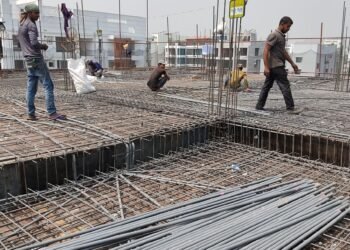

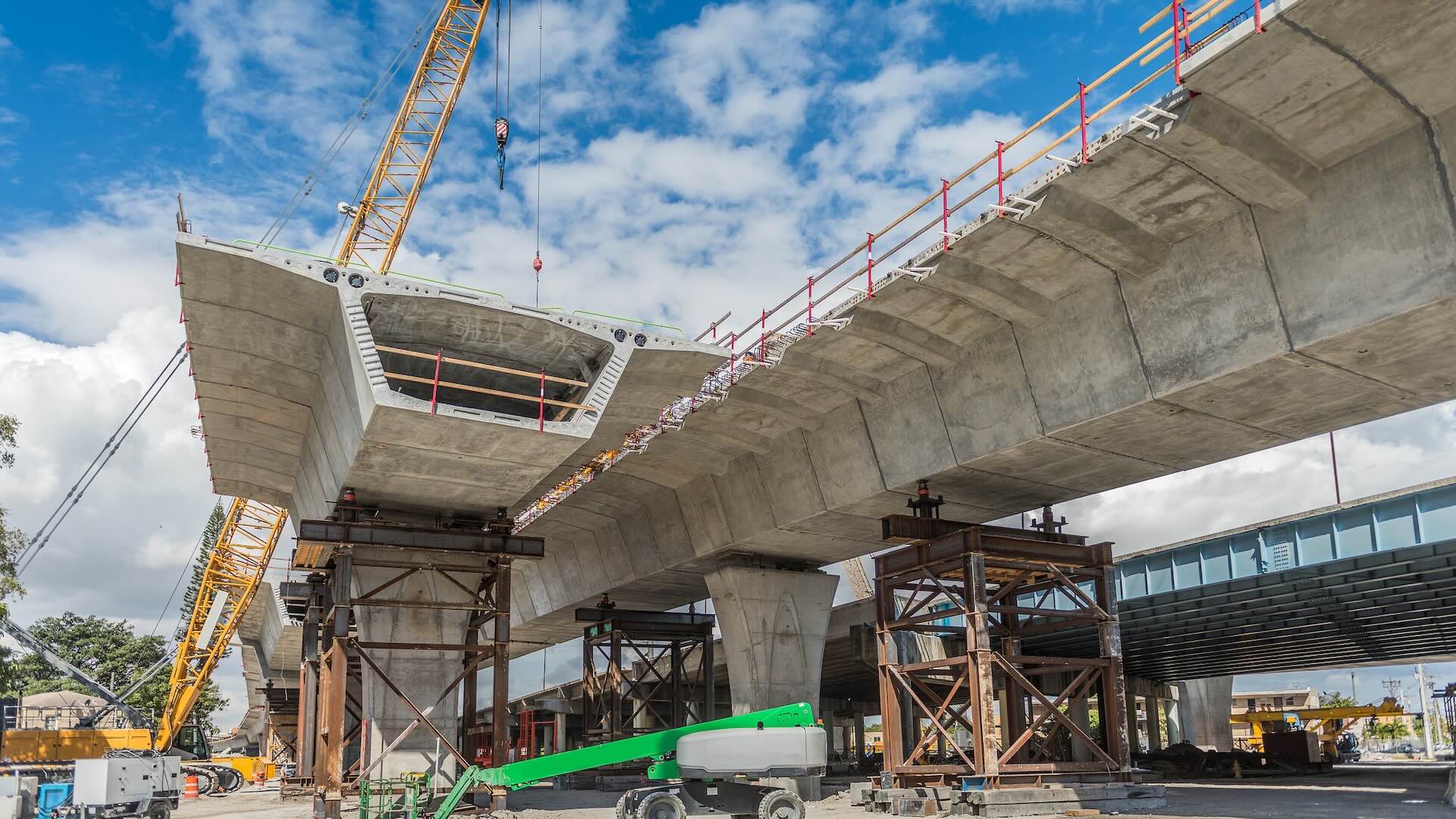
Infrastructure tasks are a novel magnificence as a result of, in contrast to vertical construction tasks, they span huge geographies, can contain linear and horizontal infrastructure, contain a couple of jurisdictions, and spread over for much longer timelines. And since they are constructed for public or regional use, the customer is frequently a public company, with finish customers being the communities that use those public amenities.
Infrastructure tasks are complicated via nature, in order that they get advantages immensely from streamlined workflows, tight collaboration, and data-driven decision-making.
Having a powerful platform from an organization like Autodesk is a sturdy get started, and if you wish to get much more worth out of it, leveraging the best integrations could make your day by day so much more straightforward.
This weblog will show off the highest integrations that stretch Autodesk’s functions for infrastructure pros. Have a look beneath and spot which of them take advantage of sense in your tasks.
Why integrations are vital in infrastructure
Infrastructure tasks are uniquely difficult in that groups juggle extra gear, extra stakeholders, and extra records than maximum. They frequently contain fragmented answers, because of this records lives in siloes. As any group is aware of, this will increase threat and slows decision-making.
In case you have a unified platform and tight, seamless integrations, groups can paintings from the similar supply of reality and transfer quicker with self belief.
That’s why Autodesk is dedicated to an open, attached platform and offering an interoperable ecosystem that connects workflows with trade companions slightly than locking groups into disconnected programs.
A handy guide a rough take a look at Autodesk’s infrastructure answers
Autodesk helps infrastructure paintings from early making plans via supply and operations with gear constructed to deal with the size of those tasks. Examples come with Civil 3-D for detailed civil design and documentation, InfraWorks for early-stage making plans, and specialised answers for Water Infrastructure design, research, and control. Past that, Autodesk Forma, the AECO trade cloud guarantees groups can use it to streamline with regards to each section of the challenge from design via operations.
Thank you to those gear, infrastructure groups can free up advantages like:
- More potent web site research and early-stage making plans
- Smarter design optimization for roads, bridges, and utilities
- Higher coordination throughout disciplines and challenge stages
- Stepped forward lifecycle control for public property
Simply as vital, Autodesk’s open platform makes it simple to attach third-party gear via its AECO Era Spouse Ecosystem. That approach, you’ll be able to prolong your tech stack and ensure records flows from one machine to the following.
The emerging energy of integrations
Everyone knows structure tasks contain a couple of groups the use of plenty of applied sciences. And when those challenge elements don’t connect to every different, it creates problems like fragmented records and disconnected processes.
The excellent news is that the development trade has began to acknowledge the significance of attached programs.
There’s a rising pattern towards extra incorporated workflows and cloud-based collaboration. When performed proper, infrastructure groups scale back handbook paintings, enhance accuracy, and make quicker, extra knowledgeable selections.
With that, let’s dive into the highest integrations that make Autodesk a powerhouse for infrastructure structure.
Most sensible Autodesk Integrations for Infrastructure Building
Those integrations assist infrastructure tasks keep attached, so records is synced, and everybody remains at the identical web page.
Esri
What it does: Esri supplies ArcGIS, a complete geospatial platform that serves because the “location intelligence” layer for infrastructure. You’ll be able to combine ArcGIS with AutoCAD, Civil 3-D, Revit, Autodesk Forma Website online Design, and Forma Information Control to bridge BIM and GIS throughout all the infrastructure lifecycle from making plans, design, and structure via to function and handle. Groups can use ArcGIS to regulate, analyze, and visualize 2D and 3-D records in combination, together with authoritative GIS layers, engineering fashions, drone imagery, and evolving virtual twins inside of a shared geographic context. This permits spatially correct knowledge for use constantly throughout desktop, internet, and box workflows.
Why it issues: Infrastructure exists in complicated environments, and having dependable records about the ones environments is essential. With ArcGIS, groups can view their designs along authoritative records, together with belongings strains, environmental constraints, application networks, and flood zones. That, in flip, is helping them make smarter alternatives and optimize their designs.
Use case: ArcGIS with Autodesk permits customers to grasp land use, utilities, and group context. As an example, city infrastructure and transportation making plans groups can review web site constraints or check how tasks will affect surrounding communities.
Aurigo
What it does: An AI-powered capital making plans answer, Aurigo is constructed for homeowners of large-scale amenities and infrastructure. It is helping homeowners streamline the “top-down” actions of a challenge. Suppose: figuring out funding alternatives, simulating investment eventualities, and forecasting money waft.
Why it issues: Infrastructure tasks require huge investments, and a device like Aurigo can assist with making plans and decision-making round those jobs. It improves governance via offering visibility into budgets, money waft, and function, serving to businesses have tighter regulate over their financials.
Use case: Transportation and town infrastructure methods get pleasure from Aurigo. For example, a town or application division can use the platform to devise out a 5 or 10-year infrastructure roadmap, prioritizing bridge maintenance as opposed to new pipeline structure according to to be had investment.
Personal sector capital methods get advantages in the similar approach. An investor-owned application can prioritize substation upgrades as opposed to new transmission builds, whilst records middle operators and lifestyles sciences or production companies can weigh facility retrofits towards new structure according to to be had capital.
GeoDin
What it does: GeoDin is a main geotechnical records control device suite for figuring out the bottom to design and construct protected and sustainable infrastructure. GeoDin answers quilt all the geotechnical workflow, from on-site records seize (GeoDin Onsite) to regulate and analyze the geotechnical records (GeoDin) and in spite of everything, visualizing the bottom records in 3-D fashions (GeoDin Floor). GeoDin Floor plug-in for Autodesk Civil 3-D brings floor records, together with borehole records and lithological soil and rock layers, at once into the infrastructure design surroundings to allow records pushed design workflows.
Why it issues: Subsurface uncertainty is likely one of the largest dangers in infrastructure structure. Due to GeoDin, groups can acquire higher visibility into floor prerequisites and scale back total challenge threat.
Use case: GeoDin is used throughout medium to large-scale infrastructure tasks, such as tunnels, bridges and pipelines, to verify uncertainty at the floor uncertainty is minimized, unexpected delays and transform are eradicated, and engineering designs have lowered overengineering for less expensive and sustainable structure works.
Optimatics (Optimizer)
What it does: A platform made particularly for water and wastewater infrastructure, Optimizer integrates with InfoWorks ICM and InfoWorks WS Professional to automate the complicated strategy of community making plans. As an alternative of getting engineers manually check design eventualities, Optimizer makes use of good algorithms to research hundreds of mixtures of property, sizes, and configurations to seek out essentially the most mathematically environment friendly answer for a water machine.
Why it issues: Conventional making plans is predicated closely on handbook research and assumptions. Optimizer replaces guesswork with data-driven insights. Groups can decrease lifecycle prices, meet regulatory necessities, and construct programs that may deal with droughts, floods, or another local weather pressures.
Use case: Optimizer is perfect for utilities making plans stormwater, wastewater, and water distribution programs, particularly when managing overflow dangers, prioritizing capital investments, or balancing temporary fixes with long-term resilience objectives.
ORIS
What it does: ORIS is a fabrics intelligence and Lifestyles Cycle Review (LCA) platform for highway, rail, and different civil infrastructure. Groups can combine it with Civil 3-D and AutoCAD to calculate the carbon footprint and useful resource intake of a design in real-time. ORIS leverages a database of fifty,000+ geolocated providers and GIS-based course optimization to assist engineers choose essentially the most eco-friendly fabrics.
Why it issues: A large a part of a challenge’s environmental affect is decided all through the design section. That is why it is extremely vital to make sustainable selections early on. ORIS is helping infrastructure groups do that via enabling them to evaluate carbon affect and modify their designs accordingly.
Use case: Evaluating other pavement buildings and subject material specs (e.g., recycled aggregates vs. virgin stone) all through conceptual design to seek out the lowest-carbon trail. This makes ORIS a perfect are compatible for freeway and pavement design tasks.
Sensat
What it does: Sensat is a geospatial and intelligence platform that is helping organisations de-risk complicated infrastructure tasks. It brings in combination truth seize, CAD, BIM fashions, schedules, and web site pictures into one visible, real-world surroundings, giving groups the correct records they want to make knowledgeable selections at vital issues all through the development lifecycle.
Why it issues: Primary infrastructure selections frequently hinge on terrain, constraints, and prerequisites discovered outdoor conventional drawings. Sensat we could challenge groups overlay fashions and paperwork onto real-world web site records, recognizing vital problems a lot previous and warding off expensive dangers in a while.
Use case: Throughout pre-construction and design, Sensat is helping supply groups spot supply dangers and design clashes on the earliest levels, decreasing transform, protection incidents, and regulatory publicity prior to any boots hit the bottom. Superb for high-scale tasks the place interfaces are complicated, and dangers may well be important.
Go beyond Design Generator
What it does: Go beyond Design Generator is helping infrastructure groups automate conceptual and initial design for water and wastewater remedy amenities. It makes use of engineering good judgment, parametric laws, and AI-assisted workflows to show ruled challenge inputs into structured, traceable engineering records and initial design deliverables. Those can waft into Autodesk Forma workflows and downstream BIM environments.
Why it issues: Early-stage infrastructure design is frequently sluggish, iterative, and resource-intensive. Go beyond is helping groups discover extra design choices briefly. It reduces handbook engineering paintings and helps higher selections early. This contains alternatives about price, efficiency, challenge constraints, and sustainability.
Use case: For municipal water and wastewater tasks, groups frequently want to evaluate a couple of eventualities briefly. Go beyond is helping generate and construction this feature records up entrance. This makes it more straightforward to evaluate feasibility, align stakeholders, and transfer into Autodesk-based design workflows with extra self belief and higher knowledge.
VAPAR
What it does: VAPAR makes use of AI to robotically analyze CCTV photos of stormwater and wastewater pipes. As an alternative of manually reviewing hours of video, groups get standardized defect detection and situation records that flows at once into asset control gear like Info360 Asset.
Why it issues: Pipe networks are huge and hidden, so manually tracking them may also be sluggish and hard. VAPAR can accelerate the method and scale back human error. And as it makes use of AI to code defects, it could possibly additionally scale back subjectivity between other inspectors.
Use case: Groups that take care of municipal stormwater and wastewater programs or organize huge pipe networks can use VAPAR to hurry up inspections and collect records for smarter upkeep and renewal selections.
The larger image
Leveraging integrations isn’t with regards to bettering workflows and collaboration.
Sure, a well-integrated tech stack results in much less handbook paintings and higher records waft—however the affect is going past records. Attached ecosystems like the only Autodesk supplies in the course of the AECO Era Spouse Ecosystem assist scale back challenge threat and allow your groups to make smarter selections previous.
In the long run, this clears the trail for even larger objectives. Wish to meet and exceed your sustainability objectives? Wish to free up genuine virtual adulthood and data-driven decision-making? Whilst you stay your tech attached, the whole thing works in combination to transport tasks ahead.
Ultimate phrases
Integrations play a vital function in serving to infrastructure groups organize complexity, scale back threat, and make higher selections throughout lengthy challenge lifecycles. If you are the use of Autodesk gear and want to free up much more worth out of the platform, leveraging the best spouse answers allow you to get there. Discover the AECO Era Spouse Ecosystem and get started construction smarter with Autodesk lately.