
Dig a french drain too shallow and it fills the primary onerous rain. Dig it with out slope and the water simply sits there. Here’s the intensity, slope, and layering that in fact strikes water the place it wishes to move, plus the place a trencher attachment turns a weekend venture into a day one and what to test prior to the primary shovel or bucket ever breaks flooring.
QUICK ANSWER
A french drain will have to be 18 to 24 inches deep for many backyard drainage, with the ditch sloping a minimum of 1 p.c, kind of 1 inch of fall in step with 8 ft, towards the hole. Basis and footing drains run deeper, set beneath the extent of the footing they offer protection to.
Same old intensity levels for backyard, basis, and footing drains
Intensity is dependent completely at the task. An ordinary backyard drain fixing a soggy garden or a rainy low spot generally runs 18 to 24 inches deep, sufficient to get beneath the topsoil and into soil that drains extra persistently. A basis drain, supposed to tug water clear of a space prior to it reaches the basement wall, most often wishes to sit down beneath the highest of the footing, which will imply digging significantly deeper relying at the basis design.
Going shallower than 18 inches on a regular backyard drain ceaselessly method the pipe sits inside the frost line in chillier climates, which dangers freezing and blockading waft precisely when spring thaw creates probably the most water to transport.
Slope: 1 p.c minimal, and the right way to test it
A french drain with out slope is simply an underground bath. The ditch must fall often towards the hole level, with 1 p.c, about 1 inch of drop for each and every 8 ft of run, because the typically authorised minimal. Steeper slope strikes water sooner and decreases the risk of status water any place alongside the pipe, however 1 p.c is sufficient for many residential drainage jobs.
Checking slope via eye is unreliable over any actual distance. A fundamental string degree or a laser degree run alongside stakes at each and every finish of the ditch confirms the grade prior to pipe and gravel move in, when a correction continues to be simple to make.
Trench width and the gravel-to-pipe ratio
A trench kind of 12 to 18 inches broad offers enough space to paintings and sufficient gravel protection across the pipe to filter out water successfully prior to it enters. The everyday layup, from the ground up, runs a couple of inches of gravel bedding, the perforated pipe, then extra gravel filling the ditch to inside a couple of inches of the skin, crowned with soil or an ornamental floor layer.
Clear out cloth placement, and the error that clogs a drain early
Panorama cloth, wrapped across the gravel prior to backfilling or lining the ditch partitions prior to the gravel is going in, assists in keeping surrounding soil and silt from migrating into the gravel and ultimately clogging the pipe’s perforations. Skipping this step is the only maximum commonplace explanation why a french drain that labored wonderful for the primary 12 months or two regularly stops draining as wonderful soil debris paintings their method into the gravel mattress.
The material will have to wrap the gravel envelope, now not the pipe itself. Wrapping the pipe immediately has a tendency to clog sooner, for the reason that wonderful mesh sits appropriate towards the perforations as a substitute of filtering water prior to it reaches them.
The place a trencher saves a complete day of hand digging
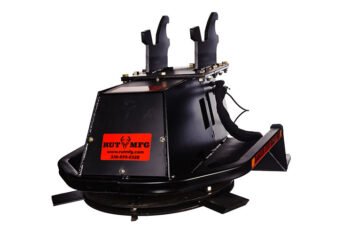
Hand-digging an 18 to 24 inch deep trench of any actual duration is gradual, bodily onerous paintings, and it’s tough to carry a constant slope digging via eye with a shovel over a long term. A trencher attachment cuts a consistent-width trench to a suite intensity in a fragment of the time, and makes maintaining a fair slope over a protracted distance way more achievable than digging via hand.
For any individual bearing in mind the task, it is price studying via what a trencher is and the way it works to know attachment choices and intensity features prior to beginning.
Selecting the proper pipe and gravel for the task
Maximum french drains use perforated corrugated pipe, both wrapped in a cloth sock or left naked inside of a fabric-lined trench. A sock-wrapped pipe simplifies set up for the reason that filtering occurs appropriate on the pipe, even though it could actually clog on the perforations through the years in wonderful, silty soil. An unwrapped pipe inside of fabric-lined gravel filters water previous, prior to it ever reaches the pipe, which has a tendency to carry up longer in downside soil.
Gravel measurement issues too. Blank, washed stone within the three-quarter to one-and-a-half inch vary drains smartly and resists compacting through the years, whilst smaller gravel or anything else with fines jumbled in packs down and decreases the drain’s efficient capability.
The place the hole is going issues up to the ditch itself
A french drain handiest works if the water it collects in fact has someplace to move. The opening, whether or not it daylights at a decrease level within the backyard, ties right into a dry smartly, or connects to an present typhoon drain machine, wishes to sit down low sufficient that the total duration of trench can deal with its slope all of the option to that time. Making plans the hole location prior to digging, quite than finding partway via that there’s nowhere for the water to go out, saves having to redo paintings.
In spaces with strict stormwater laws, it’s price checking whether or not the meant outlet level, specifically if it discharges onto a neighboring belongings or right into a public right-of-way, calls for anything else past a simple backyard drainage repair. Laws range sufficient via house that that is price a handy guide a rough test in the neighborhood quite than assuming.
DIY vs. hiring it out
A simple backyard drain, correcting one rainy low spot with a run of 30 to 50 ft, is a practical weekend venture for any individual with get admission to to a trencher attachment. A basis drain machine, or a backyard with a couple of rainy spaces desiring a hooked up community of trenches, comes to extra making plans round slope, outlet capability, and tie-in issues, and ceaselessly makes extra sense to have a qualified a minimum of assessment prior to digging starts.
Calling prior to you dig
Ahead of any trenching begins, having underground application strains marked is a important step, now not an non-compulsory one. Buried electric, fuel, water, and communique strains aren’t all the time the place outdated information recommend, and putting one with a trencher is each bad and dear to fix. A countrywide application finding carrier generally marks strains at no fee with a couple of trade days’ understand.
This step is simple to skip on a small residential task that feels regimen, however a french drain trench at 18 to 24 inches deep runs during the zone the place many application strains are buried, so it’s precisely the type of venture the place checking first really issues.
Marking requests generally quilt the general public right-of-way and application corporate strains as much as the meter or carrier front, however personal strains the house owner put in, akin to a buried sprinkler machine, low-voltage panorama lighting fixtures, or a septic line, most often aren’t a part of that carrier and are price mapping out one by one prior to digging begins at the trench. A couple of mins spent confirming what runs the place prices some distance lower than repairing a lower line after the reality.
See Trencher Attachments
Regularly Requested Questions
How deep does a french drain wish to be to paintings?
18 to 24 inches is same old for backyard drainage, deep sufficient to get beneath topsoil and, in chillier climates, beneath the frost line. Basis drains generally wish to move deeper, beneath the footing.
What slope does a french drain want?
No less than 1 p.c, about 1 inch of fall in step with 8 ft of trench, is the typically authorised same old. Steeper slope strikes water sooner however 1 p.c is sufficient for many backyard drainage jobs.
Why do french drains prevent running after a couple of years?
The commonest purpose is okay soil migrating into the gravel mattress and ultimately clogging the pipe’s perforations, most often as a result of filter out cloth was once skipped or the pipe itself was once wrapped as a substitute of the encompassing gravel.
What measurement gravel is absolute best for a french drain?
Blank, washed stone within the three-quarter to one-and-a-half inch vary drains smartly and resists compacting through the years. Smaller gravel or stone combined with fines packs down and decreases drainage capability.
Do I wish to name prior to digging a french drain?
Sure. Having underground application strains marked prior to trenching is a important protection step, since buried electric, fuel, and water strains aren’t all the time the place outdated information recommend and putting one is each bad and dear to fix.